

Blog hippo
hippo
OTP Fraud: Protect Your Business from Attacks
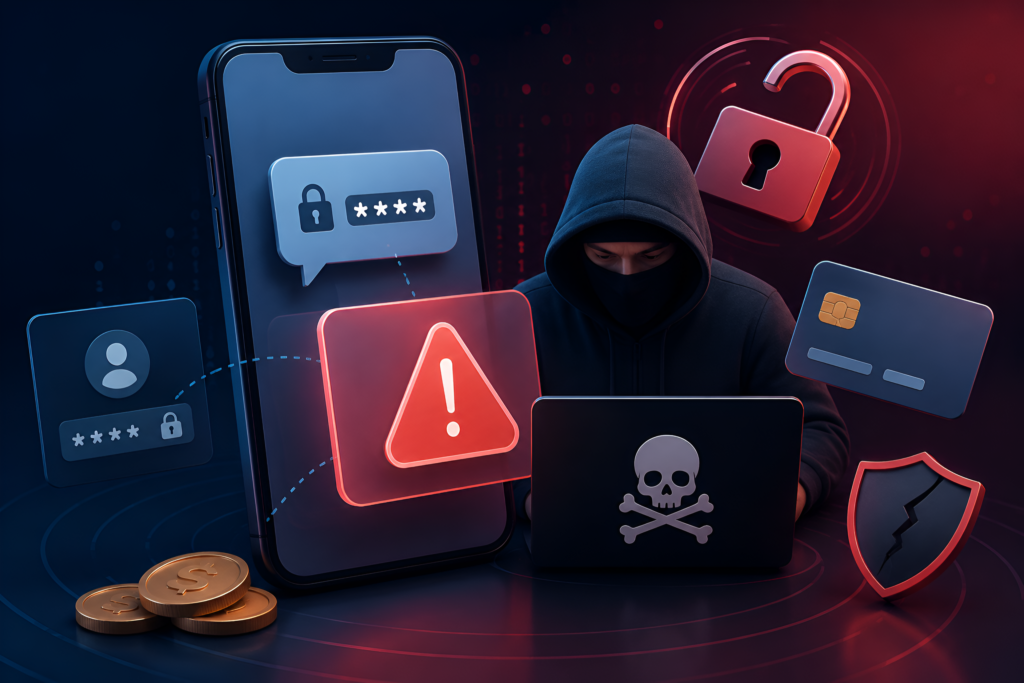
OTP fraud is becoming one of the fastest-growing cybersecurity threats for businesses worldwide. From phishing scams and SIM swap attacks to social engineering, cybercriminals are finding new ways to bypass traditional SMS-based authentication. As more companies rely on OTPs to secure customer accounts, the risks—and the costs—continue to rise. Understanding how OTP fraud works and how to prevent it is now essential for every business that values customer trust and security.
But there’s a growing problem.
OTP fraud is increasing at an alarming rate.
Cybercriminals have become smarter, using sophisticated techniques to bypass SMS-based authentication and trick users into handing over their verification codes. As a result, businesses are facing financial losses, compromised customer accounts, and damaged brand trust.
The challenge isn’t that OTPs were designed poorly—they were created for a different digital landscape. Today’s cyber threats demand stronger, smarter authentication methods.
In this blog, we’ll explore what OTP fraud is, why it’s on the rise, and how businesses can stay ahead of evolving security threats.
What Is OTP Fraud and How Does It Work?
OTP fraud occurs when attackers trick users into revealing or unknowingly sharing their One-Time Passwords, allowing unauthorized access to accounts, financial transactions, or sensitive information.
Although OTPs are intended to add an extra layer of security, they can become ineffective if the code falls into the wrong hands.
Unlike password theft, OTP fraud often relies on manipulating people rather than breaking technology. Cybercriminals exploit human trust, urgency, and lack of awareness to gain access.
Why Is OTP Fraud Increasing in 2026?
Several factors have contributed to the rapid rise in OTP fraud.
1. Cybercriminals Are Becoming More Sophisticated
Attackers no longer rely solely on hacking systems. Instead, they exploit human behavior through convincing phishing campaigns, fake customer support calls, and fraudulent websites.
These attacks are inexpensive to execute but can have devastating consequences for businesses and customers.
2. SMS-Based Authentication Has Limitations
SMS messages travel through telecom networks that were never designed to defend against today’s advanced cyber threats.
While SMS remains widely used because of its convenience, it is increasingly vulnerable to interception, social engineering, and SIM-related attacks.
3. Digital Transactions Continue to Grow
As more businesses move online, authentication requests increase.
More online banking, digital wallets, e-commerce purchases, and remote work mean more OTPs are sent every day—creating more opportunities for fraudsters.
Common OTP Fraud Techniques Businesses Should Know
Understanding how attackers operate is the first step toward prevention.
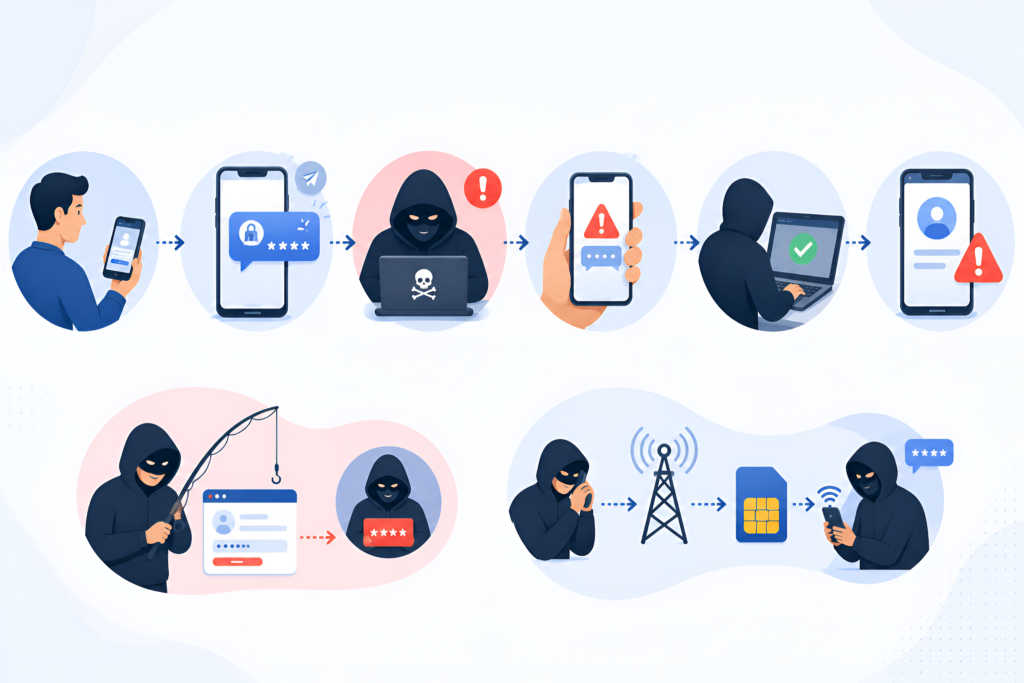
SIM Swap Fraud
In a SIM swap attack, criminals convince a mobile carrier to transfer a victim’s phone number to a SIM card under their control.
Once the transfer is complete, every OTP sent via SMS reaches the attacker instead of the legitimate user.
Phishing Attacks
Fraudsters create fake login pages that closely resemble legitimate websites.
Users unknowingly enter their credentials and OTPs, giving attackers everything they need to access their accounts.
Social Engineering
Attackers impersonate banks, customer support representatives, or government officials.
They create a sense of urgency and persuade victims to share their OTP, claiming it’s needed to verify their identity or resolve an issue.
Malware
Certain types of malware installed on mobile devices can read SMS messages or monitor user activity, allowing attackers to capture OTPs automatically.
How Businesses Can Prevent OTP Fraud Effectively

Many organizations underestimate the true cost of OTP fraud.
Its impact extends far beyond a single compromised account.
Financial Losses
Fraudulent transactions, account takeovers, and chargebacks can result in significant financial damage.
Loss of Customer Trust
Customers expect businesses to protect their personal information.
A single security incident can reduce customer confidence and increase churn.
Increased Support Costs
Fraud investigations, account recovery requests, and customer complaints place additional pressure on support teams.
Compliance Risks
Industries such as banking, healthcare, and fintech operate under strict regulatory requirements.
Repeated security incidents may lead to audits, penalties, or reputational damage.
Warning Signs Your Business May Be Vulnerable
Businesses should pay attention to patterns such as:
- Multiple OTP requests from the same account
- Sudden login attempts from unfamiliar locations
- High OTP resend rates
- Large numbers of failed authentication attempts
- Unusual spikes in password reset requests
These behaviors may indicate fraudulent activity that requires immediate investigation.
How Businesses Can Prevent OTP Fraud
While no security system is completely immune to attacks, businesses can significantly reduce risk by strengthening their authentication strategy.
Educate Customers
Inform users that legitimate employees will never ask them to share their OTP over the phone, email, or messaging apps.
Regular awareness campaigns can reduce the success of phishing and social engineering attacks.
Monitor Authentication Activity
Use analytics and fraud detection systems to identify unusual login behavior, suspicious locations, repeated OTP requests, or impossible travel scenarios.
Early detection often prevents larger incidents.
Implement Risk-Based Authentication
Not every login attempt carries the same level of risk.
Businesses can require additional verification only when suspicious behavior is detected, balancing security with user experience.
Reduce Dependence on SMS
While SMS OTPs remain common, relying on them as the primary authentication method increases exposure to SMS-related vulnerabilities.
Many organizations are now exploring more modern authentication approaches that don’t depend entirely on one-time codes delivered over telecom networks.
The OWASP recommends implementing layered authentication controls instead of relying solely on SMS-based verification to reduce the risk of phishing and account takeover attacks.
Why Businesses Are Exploring OTP Alternatives
Authentication technology has evolved significantly.
Instead of relying solely on SMS-based verification, organizations are adopting authentication methods that are:
- Faster
- More secure
- Resistant to phishing attacks
- Less dependent on telecom networks
- Better suited for large-scale digital businesses
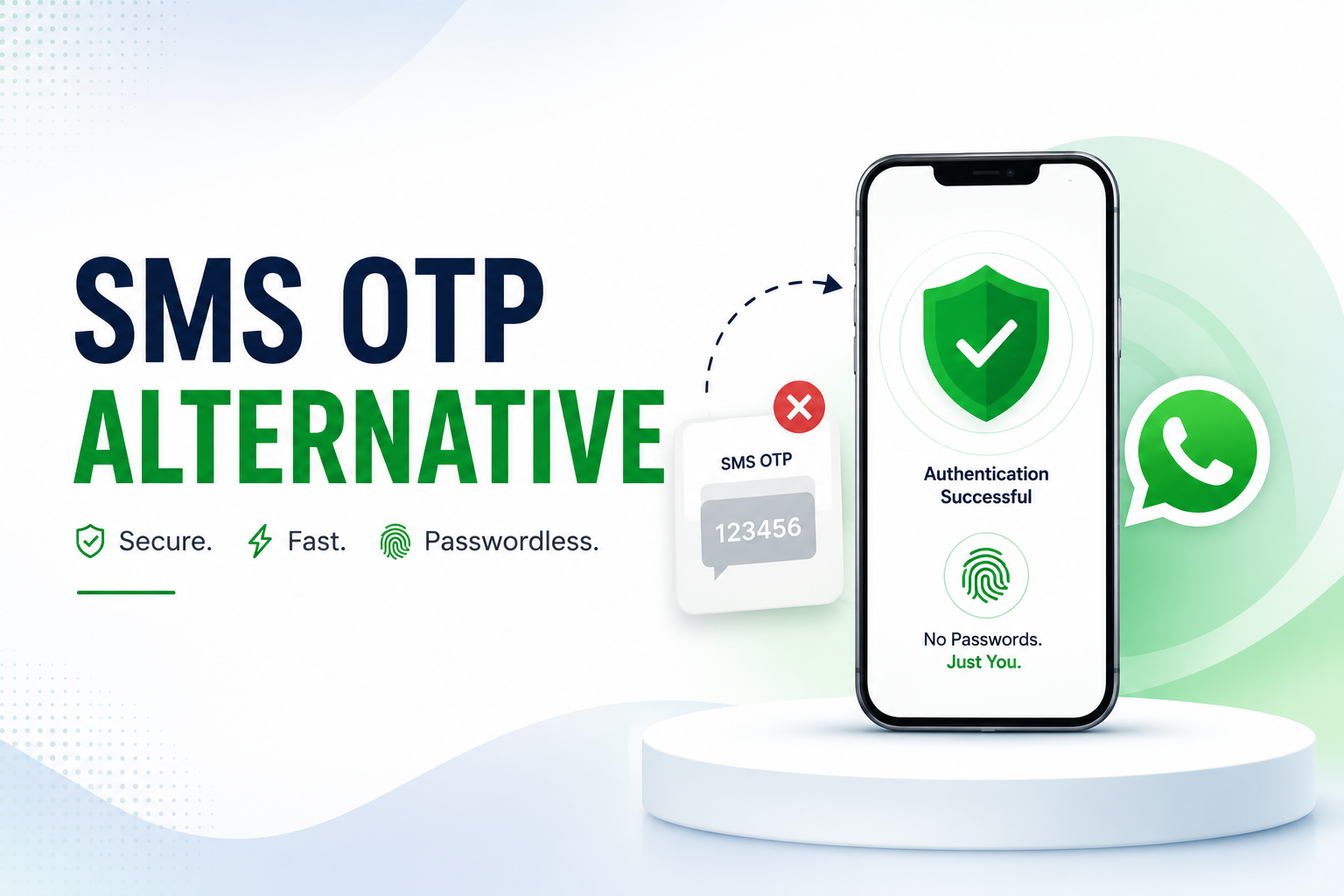
One emerging approach is NoTP, which eliminates the need for traditional SMS-based OTPs while providing a smoother and more secure authentication experience. By reducing reliance on SMS, businesses can minimize common OTP-related risks, lower operational costs, and improve the customer experience.
As OTP fraud continues to evolve, many organizations are looking beyond traditional SMS authentication. If you’re evaluating modern authentication methods, read our guide on Best SMS OTP Alternatives for Modern Businesses to understand how businesses are reducing fraud while improving user experience.
The Future Beyond OTP Fraud
OTPs have played an important role in improving online security over the past decade.
However, as cybercriminals evolve, authentication methods must evolve too.
The future of identity verification will focus on:
- Passwordless authentication
- Device-based verification
- AI-powered fraud detection
- Adaptive authentication
- Seamless customer experiences
Businesses that modernize their authentication strategy today will be better prepared for tomorrow’s security challenges.
Conclusion
OTP fraud is no longer an isolated problem—it’s a growing threat affecting businesses across every industry.
As attackers continue to exploit SMS-based authentication through phishing, SIM swap attacks, and social engineering, organizations must rethink how they protect customer accounts.
The good news is that businesses don’t have to rely solely on traditional OTPs anymore.
By educating users, monitoring suspicious activity, and adopting modern authentication solutions like NoTP, organizations can reduce fraud, strengthen security, and deliver a smoother customer experience.
The question isn’t whether OTP fraud will continue to grow.
The real question is whether your business is prepared for what’s next.
Frequently Asked Questions
What is OTP fraud?
OTP fraud is a cyberattack in which criminals obtain a user’s one-time password through methods such as phishing, SIM swap attacks, social engineering, or malware to gain unauthorized access to accounts.
Why is OTP fraud increasing?
OTP fraud is increasing because cybercriminals are using more advanced phishing techniques, exploiting weaknesses in SMS delivery, and targeting the growing number of online transactions.
Is SMS OTP still secure?
SMS OTP still provides an additional layer of security, but it has limitations. Businesses should complement or replace it with more modern authentication methods to reduce the risk of fraud.
How can businesses prevent OTP fraud?
Businesses can reduce OTP fraud by educating users, monitoring suspicious login activity, implementing risk-based authentication, and adopting modern authentication solutions that reduce dependence on SMS.
What is the best alternative to SMS OTP?
Many organizations are moving toward passwordless authentication methods, such as NoTP, which offer stronger security, a better user experience, and lower reliance on SMS-based verification.
Best SMS OTP Alternative for Modern Businesses
Subscribe to stay ahead with the latest updates and entrepreneurial insights!
Share this article:


Subscribe to our newsletter
Get access to the latest industry & product insights.
You may be interested in these articles
-
hippo31st August 2026
AI Customer Engagement: Fixing Voice Bot Flaws.Think about the last time you called a business and heard, “Press 1 for.. [..]Read story
-
hippo21st August 2026
Missed Calls Are Costing You Customers: Here’s WhyMissed calls can cost businesses more than a conversation. They can mean lost.. [..]Read story
-
hippo13th August 2026
How WhatsApp Authentication Is Changing User LoginWhatsApp authentication is changing how businesses can approach the user login.. [..]Read story
-
hippo12th August 2026
How AI Inbound Calling Helps Businesses Never Miss a Customer CallA missed customer call can mean a missed lead, a lost sale, or a customer.. [..]Read story